Can a Pet Duck Live Indoors? What Works and What Doesn't
Thinking of a duck as an indoor pet? What the welfare guidance says about keeping ducks inside, why wet floors and foot sores matter, and when indoors-only fails.
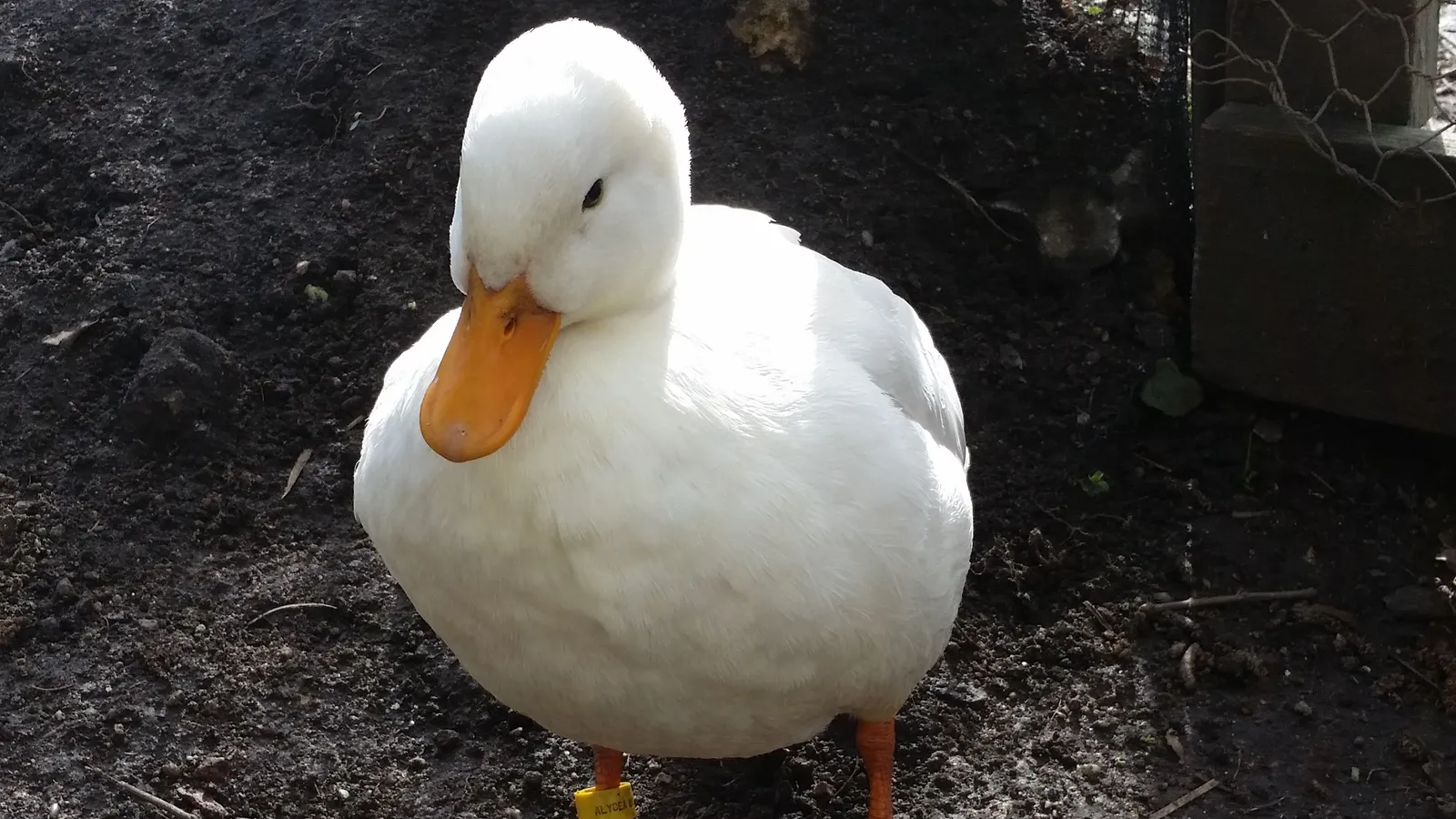
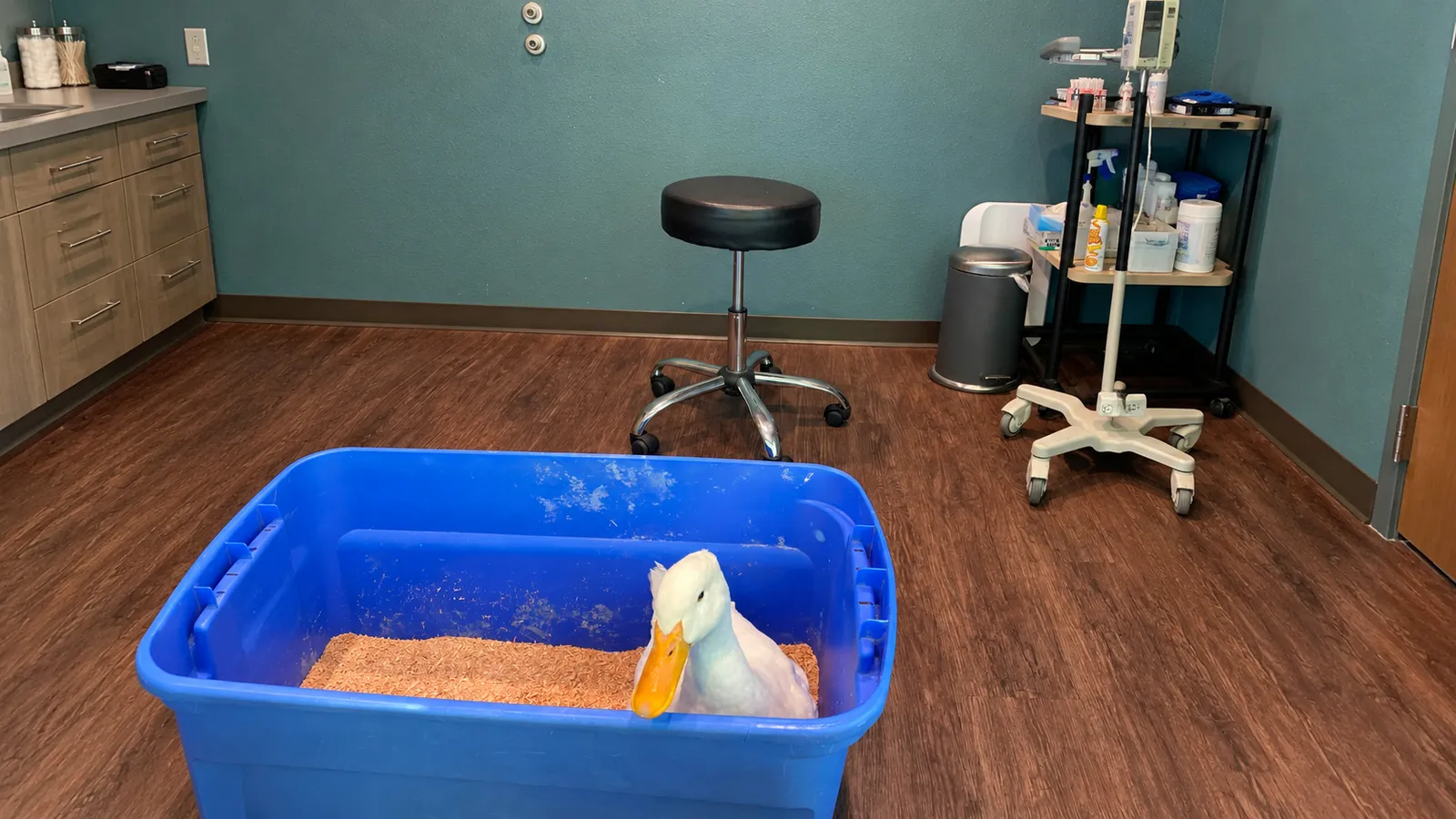
Can a duck live in your house? Some people keep one that way, and videos of house ducks are everywhere. The better question is whether a house can meet a duck's needs, and the answer is "partly, with work." Ducks are wet, messy and social, and the welfare guidance we could find is written for ducks that also get outside. This post covers what an indoor setup has to handle, where it tends to fail, and what to do instead. For the full list of what any pet duck needs, start with pet duck 101.
A note on sources: we found no veterinary or extension guidance that recommends keeping an adult duck indoors full time, and the one retailer care sheet that addresses it says not to. Petco's duck care sheet says ducks should not be housed indoors all the time (Petco, How to Care for Pet Ducks, updated 2023; a retailer, not a veterinary body). What else exists is guidance on indoor housing for pet ducks that also have outdoor access, and husbandry material for farm flocks. Where we go beyond those, we say it is keeper practice or our judgment.
The short answer
- Indoors-only is a stretch. The RSPCA's page on keeping pet ducks and geese indoors describes a house that birds can leave for an outdoor area, with more than one exit to cut down bullying (RSPCA, Keeping pet ducks and geese indoors). It does not describe a duck living in a living room.
- Indoors as a base is realistic. A duckling in a brooder, a duck recovering from an injury, or a pair that sleeps in a secure indoor space and spends days in a run are all normal arrangements.
- One duck alone is the weak point. Ducks are social, and a single house duck depends on you for company. If you can't be home most of the day, plan on at least two ducks.
- The floor is the whole problem. Wet droppings and hard surfaces are what make indoor ducks hard to live with and risky for their feet.
Why ducks are hard indoors
Ducks drink and excrete far more water than chickens or turkeys, and Cornell's duck research laboratory says their droppings are over 90 percent moisture (Cornell University College of Veterinary Medicine, Duck Research Laboratory). That page is written for people raising ducks in sheds and houses, not pets, but the biology is the same in your kitchen. Water goes everywhere, and bedding that is fine for a day is soaked by the next.
Cornell's advice for keeping litter dry is to add fresh bedding regularly, replace it when needed, and keep waterers on wire mesh so spills drain away from the bedding. It also warns against rough or sharp flooring, saying keepers should avoid surfaces that can injure the skin on the feet and hock joints. Bare tile or laminate is smooth rather than sharp, so that warning doesn't map neatly onto a kitchen. Petco's care sheet is more direct: it says concrete is too hard for ducks' feet and can lead to foot sores, and that dirt and grass are softer (Petco, How to Care for Pet Ducks). The Royal Veterinary College's exotics service agrees on the mechanism: concrete is acceptable as a base because it cleans easily, but it must be covered with substrate to prevent bumblefoot, and the substrate (straw, wood shavings or rice hulls) should be dust free to avoid fungal respiratory infections (Royal Veterinary College, Duck care sheet, reviewed 2022). Bare hard floors without deep, dry bedding are a poor fit for the same reason.
What an indoor space needs
The RSPCA's indoor-housing page gives a baseline for a pet duck's house (RSPCA, Keeping pet ducks and geese indoors):
- Floor space: at least one square metre for every two or three ducks, with room to move, exercise and stretch their wings.
- Bedding: dry material such as wood shavings or straw, topped up or replaced when needed.
- Air: warm, dry and well ventilated, and protected from driving rain, direct sun and strong wind.
- Food and water: provided inside the house.
- Cleaning: regular cleaning, with disinfecting to remove parasites.
That page is about a duck house, not a home, and it says nothing on lighting or on bathing water. A square metre is also a minimum for sleeping and shelter, not a plan for a duck's whole day. The RVC sheet gives larger numbers for ducks housed during the day (at least 1.5 to 2 square metres each) and smaller ones for overnight housing only (0.5 to 1 square metre each), and asks for shade and wind protection. Other sources give different floor-space figures (our backyard duck basics guide lays out how far they disagree), so build bigger if you can.
Bathing, mess and diapers
Ducks need water to dunk their heads in, and they splash. The RVC says drinking water should be deep enough for a duck to submerge its whole head, and that a shallow-sided children's paddling pool works well for swimming (Royal Veterinary College, Duck care sheet). Cornell notes that waterers should sit away from the bedding where possible. Indoors, that usually means a tub or boot tray with a wire or grated top for drinking water, and a separate, supervised bath in a bathtub or a kiddie pool in a washable room.
Duck diapers are sold for house ducks. We found no veterinary or extension source that assesses them, so we can't say they are safe or unsafe. Keepers who use them generally say they cut cleanup but do not stop the mess, and they have to be changed often so wet material doesn't sit against skin. Treat that as keeper practice, not advice, and expect to keep a washable floor under the duck either way, since a diaper does not catch splashed water or spilled feed. If you try one, check the duck's vent and legs for rubbing, and ask a vet who sees birds.
Feet, company and daylight
Three things go wrong most often when ducks live inside:
- Feet. Petco says ducks kept indoors tend to develop foot sores from standing on hard floors, and lists sores or redness on the feet, or lameness, as a reason to seek veterinary care (Petco, How to Care for Pet Ducks). Keep bedding dry and check the bottoms of the feet regularly. A limp or a swollen foot pad is a reason to call a vet, not to wait.
- Loneliness. Petco describes ducks as very social and says they do well housed with other ducks of the same breed (Petco, How to Care for Pet Ducks). The RVC says ducks are highly social and need to be kept in groups for company, and that pet ducks also need human interaction and enrichment (Royal Veterinary College, Duck care sheet). A solo duck that bonds with people and then pines when they leave is common keeper experience rather than a study. Two or three ducks are an easier group to keep content than one.
- Too little outdoors. Petco says ducks kept indoors all the time can develop nutritional deficiencies, such as low vitamin D and calcium, from lack of sunlight (Petco, How to Care for Pet Ducks). Ducks that never go outside also miss grass, bugs and room to forage. Our judgment is that a daily supervised outdoor session, in a predator-safe run, matters more than any indoor gadget. Check local rules too: some towns and homeowner associations limit or ban ducks outright.
When indoors is a good idea
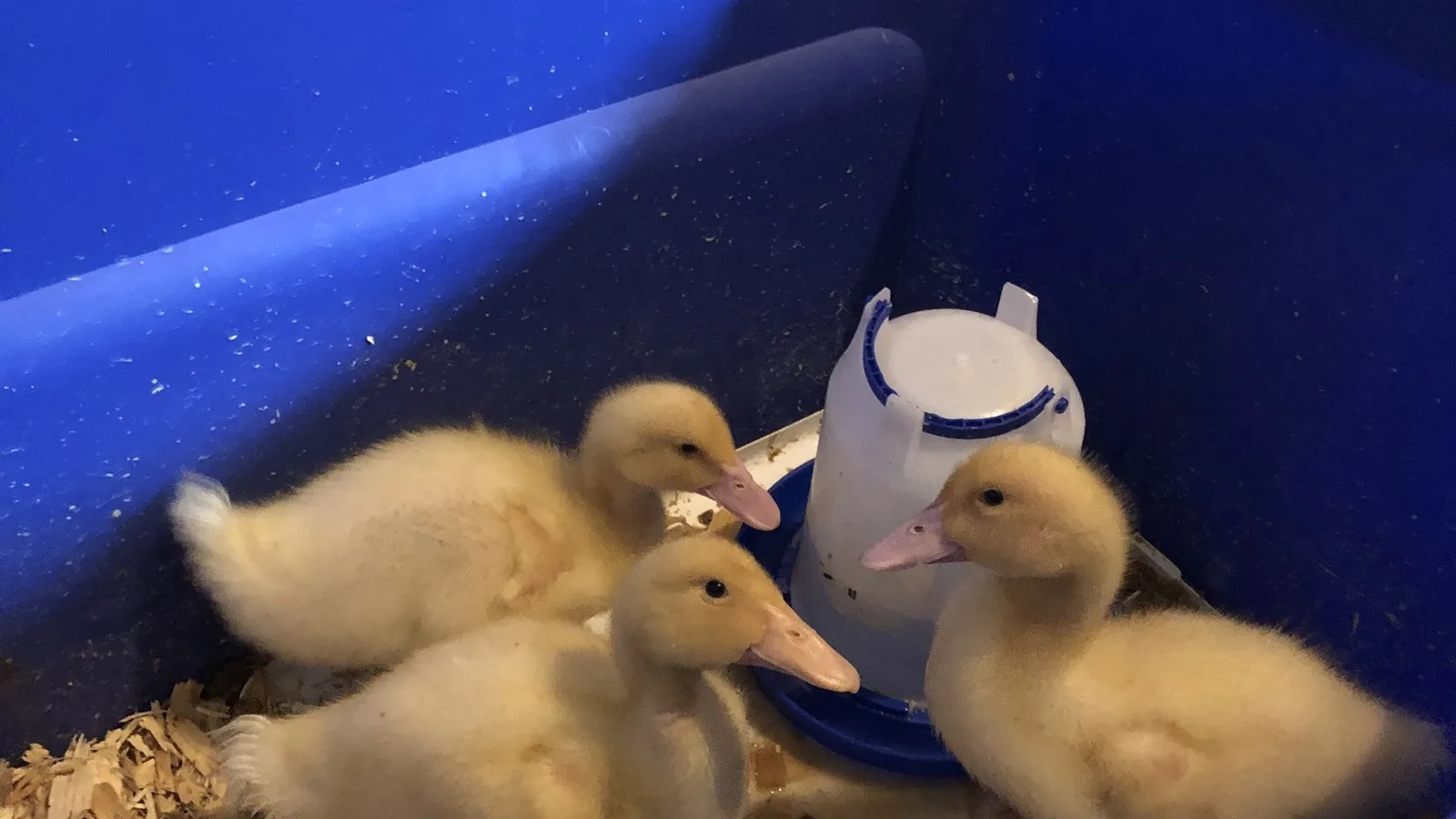
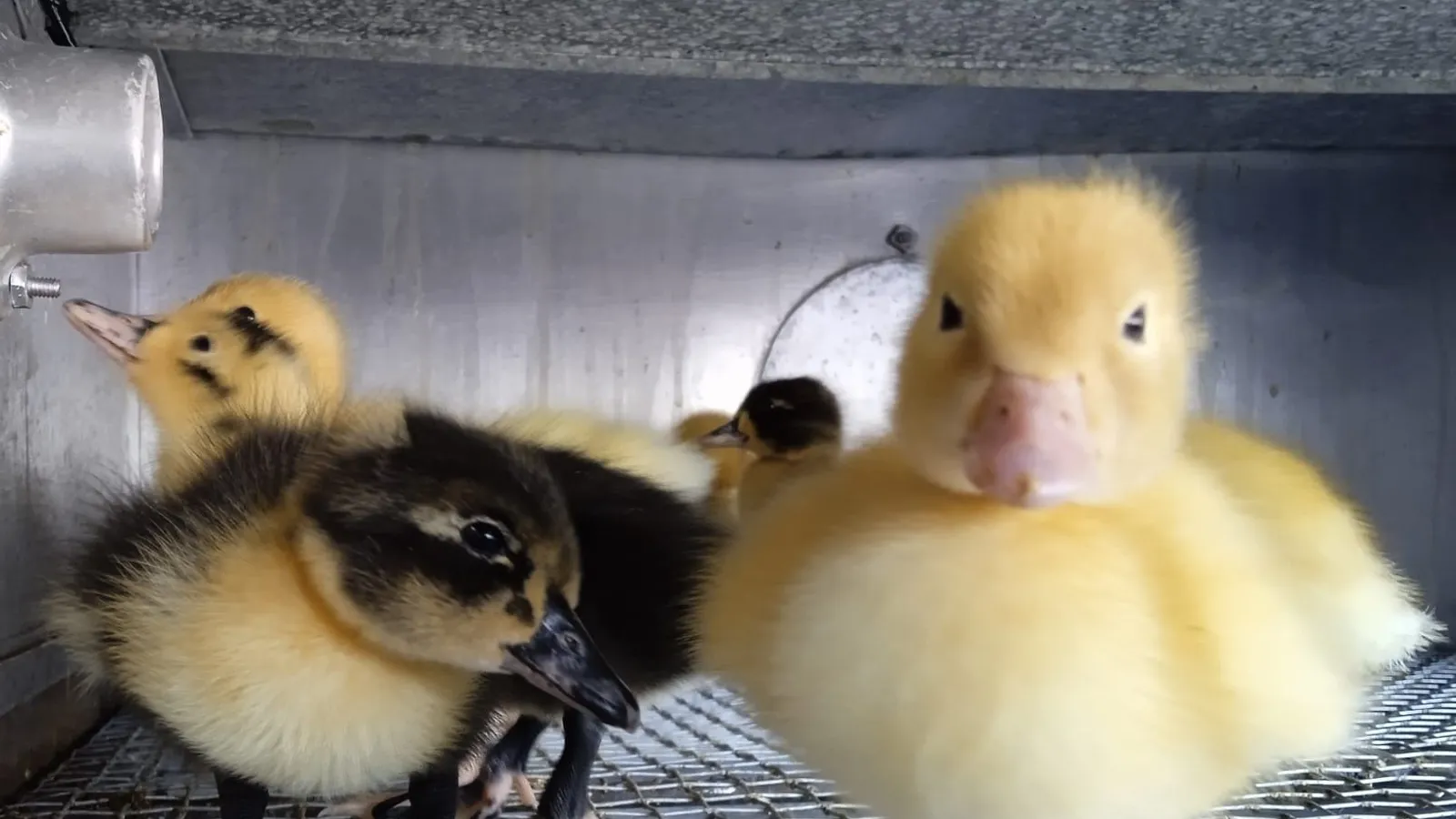
- Ducklings. Ducklings live indoors in a brooder for their first weeks; see raising ducklings as pets for that stage.
- Illness or injury. A vet may ask you to keep a duck inside, dry and warm, while it recovers.
- Bad weather and predators. A secure indoor space is a reasonable night shelter, as long as ventilation and bedding are handled.
Before you commit
- Find a vet who sees ducks before you need one. Our duck vet guide explains how, and you can search the avian and exotic vet directory.
- Decide where the duck will spend its days. If the answer is "in a pen in the house," plan for outdoor time anyway.
- Plan for two ducks, or for being home.
- Budget for bedding and cleanup. It is more than a cat or dog costs in mess, and that is the cost people most often underestimate. If the honest answer to any of these is "no," a duck that lives mostly outdoors with a secure shelter is the easier arrangement for both of you.
Sources
- RSPCA (UK), Keeping pet ducks and geese indoors (UK charity; written for pet ducks with outdoor access)
- Cornell University College of Veterinary Medicine, Duck Research Laboratory husbandry guide (farm-flock focus; does not mention pets or bumblefoot by name)
- Petco, How to Care for Pet Ducks (retailer care sheet, updated March 2023; says ducks should not be housed indoors all the time)
- Royal Veterinary College, Duck care sheet (veterinary school exotics service, reviewed December 2022; written for backyard ducks, does not address keeping ducks indoors)
Have a duck-specific question?
Find a vet near you who actually sees waterfowl.
Questions, or numbers from your own area? Ask in the forum.
Discuss in the forum